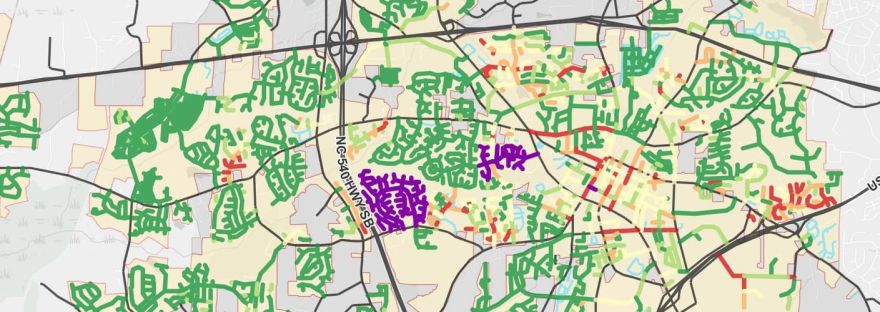
Last year, Apex did a full “Pavement Conditions Survey” of every town owned road. Each road segment received a score, called a “Pavement Condition Index” or PCI. This data was used to prioritize our annual repaving program, among other things. I’m happy to share that our staff has created an online tool to let you view the PCI of every road in Town!
Following the data, this year portions of Scott’s Mill and Amherst will be repaved.
I’d advise everyone to check out the tool and take a look at what the PCI is for roads in their neighborhood, to get a sense of where they might be prioritized for repaving in future years.
And another caveat: This is only for town owned roads. The vast majority of roads in town are town owned, but the vast majority of “major” roads are actually DOT roads and not covered by our program.
Property Revaluation notices go in the mail next week. This is important; if you are a homeowner I ask that you take a moment to read the below article and understand what is going on here, because it will impact you.
People assume that when their property value goes up that means their tax bill goes up. Not necessarily. The reason is, the Town is required to advertise a “revenue neutral tax rate”. That means, basically, that the property tax rate is going to drop, such that when multiplied by the total property tax value, the end result is the same. The town will not gain (or lose) any revenue directly because of the reval. It is a non-issue from a budget standpoint.
However, there is a caveat. The tax rates are flat – everyone gets charged the same. But, the property value increase is anything but uniform: some houses may have doubled in value, where as other houses may have only gone up 10% or so.
The way the math works out is, basically, if your home value went up more than the average, your property tax bill will go up. If your home value went up by less than average, your property tax bill will go down. And, as I said: it’s zero sum, in the sense that the bills that went up offset exactly the bills that went down. Which is of little consolation to those whose bills went up.
To make matters worse: I expect the homes on the lower end of the property value spectrum have increased in value, percentage wise, much faster than the homes on the higher end of the spectrum. They just have more room to increase. If that ends up being the case, then we have what is a classic regressive tax increase, increasing the tax burden on those with small homes and lowering it on the more expensive homes. Which is terrible policy.
When the data actually comes out next week I will dig in more and see how the reval has impacted property owners in Apex. Expect a bunch of charts, etc, and policy talk about what we can do about it. But for now, for those of you who have read this far, I’ll end with the actual numbers: Property values in Apex have increased by 56% in this reval, and as a result our new tax rate will drop to from $0.44 all the way down to around $0.30 per $100.
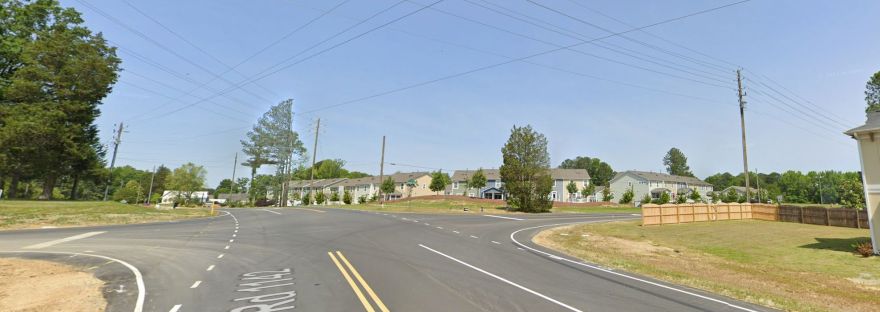
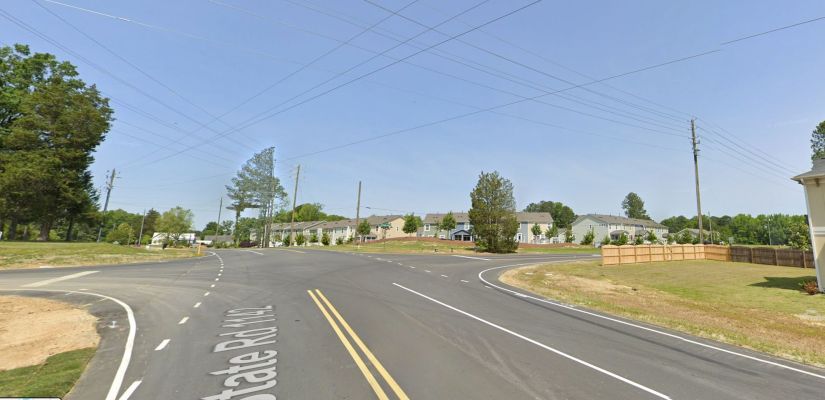
Recently there has been some discussion about this intersection on social media. It has actually led to some tangible changes already, DOT has added some high visibility stop signs, removed a bush causing a visibility issue, and added some “stop sign ahead” warning signs. I want to thank DOT for their quick action and being so responsive.
I also wanted to take a moment to pass along some other information I’ve gathered from staff. Namely, Friendship Station (the nearby development) has committed to either putting up a traffic signal at this intersection prior to their 400th home, or paying a fee in lieu to the town for the signal in the future (reminder: a ‘warrant’ is an objective measure of the need for a traffic signal)
The town did a traffic study not too long ago, and found that a signal at this intersection was not yet warranted. We will do another prior to the 400th home being built/occupied at Friendship Station, and if possible, we’ll get one installed at that time.
So I do think a light will be coming here, eventually – as soon as DOT regulations around traffic signals allow it. It is already funded (by a nearby development). I am confident that recent changes to the intersection done by DOT will make the intersection safer in the short term. I do appreciate all of the feedback and citizen engagement here – I think this is a success story for citizen advocacy. There have been tangible changes already, we have a plan for the future, and the intersection is on everyone’s radar.
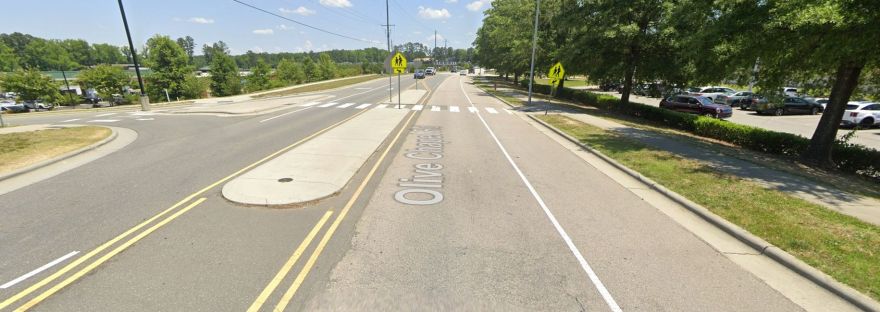
I was asked about this on a forum, and I thought the answer was of general interest. The request was to make this crosswalk (by Publix, towards Olive Chapel) a high visibility crosswalk, somehow.
I talked to staff – and we recently completed a pedestrian count, and they are finalizing the report. The preliminary finding is that a high visibility flashing crosswalk with beacons IS warranted at this location.
We need to coordinate with DOT. Our first cost estimate is $50k. It will be added to our backlog of projects for prioritization this upcoming fiscal year.
I’ve also put in a request for increased APD traffic enforcement at this intersection. If you drive on Olive Chapel, make sure you stop for the crosswalk!
Did you know a Bike Track is coming to Apex? This was approved as a part of the previous years (22-23) budget, and the bid documents have all posted.
From the RFQ: “The Town of Apex seeks the design to be similar to a mountain bike skills course, in a circular track route with a separate interior pump track included in the design. The design and construction of a bike facility shall include natural surfaces with obstacles, mounds, and other features to create off-road cycling elements…”
This Bike Park will be located to the north of the ball fields at Hunter Street Park. I am really excited about the project, as I think this will be an awesome amenity that complements Hunter Street Park (especially the Skate Park) really well!
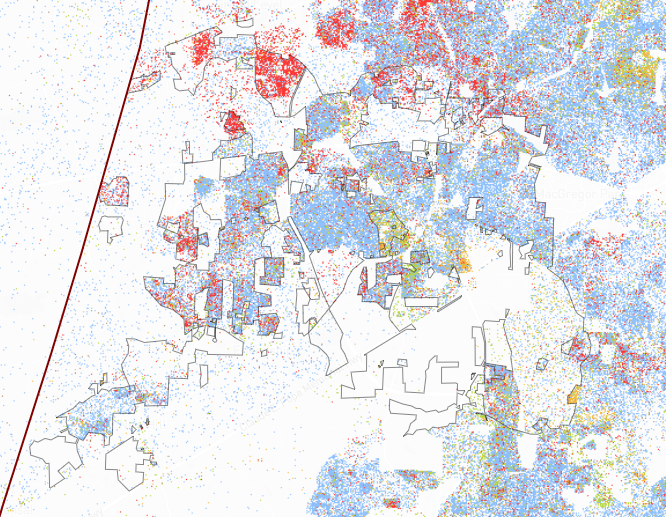
Apex is a rapidly changing community. As of the 2020 Census, the Asian population in Apex is now the largest minority, and growing faster than any other ethnic group. We need to recognize this trend, welcome them into Apex, and work towards engaging this community in order to best provide them the services and amenities they deserve.
This means a few things. Culturally, we have to look at what festivals and events we fund and put on, in order to make sure we are serving all of Apex.
From a geographic perspective, this also means making sure the areas of town with these growing communities are provided the same services and amenities as the rest of town – this means making sure our police and fire departments are staffed well to serve the growing geographic area, and that our Park’s plan includes new amenities in these areas.
And from a programming perspective, it means we offer classes and recreation opportunities for a diverse population; and provides spaces and resources for teachers from these communities to serve this area as well. We’re building a cricket field this coming year – this is a good start, but not enough.
One of the motivations for moving Apex to a District election system is to give the AAPI community, clustered in the west and especially north west of Apex, an opportunity to elect a representative of their choice in the future.
Our tremendous growth in Apex should not come at the expense of the history, character, or charm of the area.
Indeed, I view our growth and the impact on the surrounding communities as creating a responsibility on the Town’s part to do everything we can to preserve the history of the area. The history of this area is what makes it an interesting place to live.
To that end; since coming on the Council I have been a champion of historic preservation and will continue to do so. This means, when a rezoning or other development proposal comes forward with a historic home or structure, I expect it to be preserved. I strongly support our Apex Historic Marker program to bring the history of Apex, Friendship, and New Hill forward to today. Apex needs to do more to preemptively preserve historic assets, like the Friendship Rosenwald School, before they are lost to time or calamity.
Apex staff and Council should continue to lean on the advice from organizations like Capital Area Preservation and the members of the Apex Historical Society, as well as the advice from long time members of the community, when making impactful decisions.
The CSX switching station, located in downtown Apex, is not ideally situated. It’s location is the cause of frequent backups on Center and Hunter street, in addition to idling trains overnight in the winter significantly hurting the quality of life for our downtown residents.
Apex needs to make a concerted effort to incentivize CSX to relocate out of Apex. The property can then be purchased by the town and repurposed for any number of public uses. The property to the east of the tracks, situated directly between downtown Apex and our town campus, likely environmental incumbered and inappropriate for residential use, would be an ideal location for a future parking deck.
This year the Town of Apex is funding a study to look at alternatives for CSX’s location. I support making this a priority going forward.
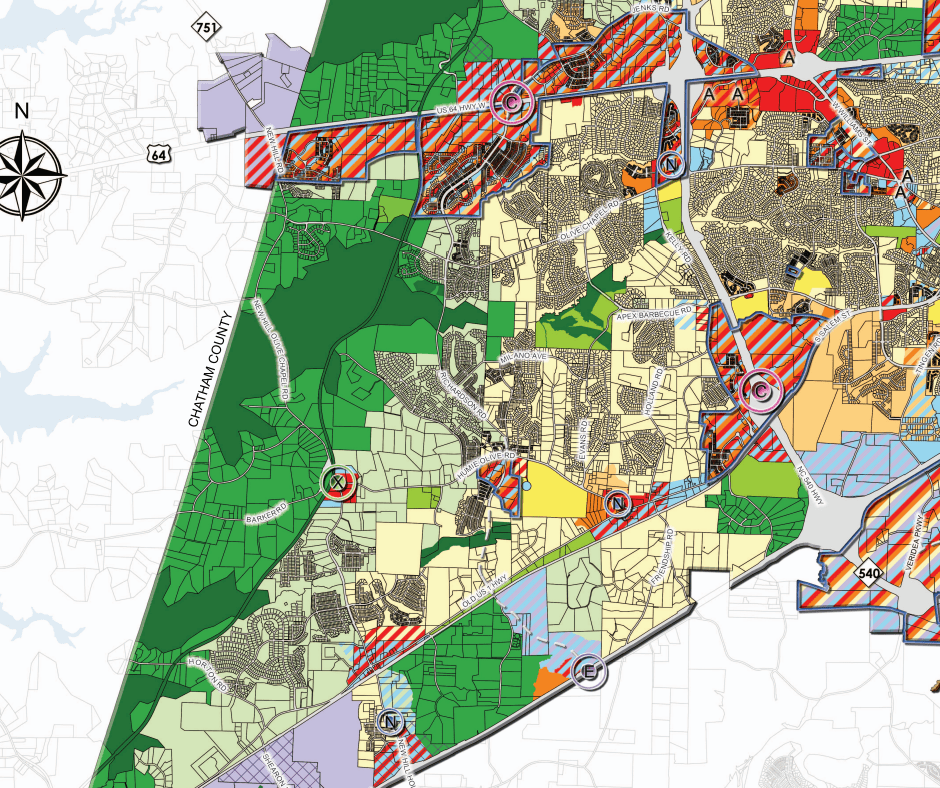
I support a significant revisiting of the 2045 Land Use Map (LUM) to designate additional areas as commercial services, light industrial, and related mixed uses.
The reasons for this are numerous: first and foremost, Apex has been a hot spot of residential development these past few years. Unfortunately with increased growth comes increased strain on our infrastructure, including schools, which must be paid for our of our increasingly residential focused tax base.
It doesn’t have to be this way. A revising of the Land Use Map to add more commercial services would both provides jobs and services for a growing community, as well as allow us to shift the tax burden away from our residents.
The current map made sense when it was initially written. It’s time to revisit it.
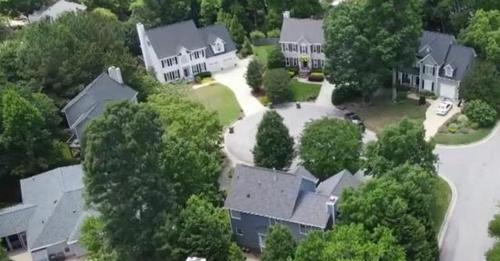
This is a resubmission of a denial from a few years back. They initially proposed apartments, then townhomes, both turned down by the Council. This submission is a combination of townhomes and single family.









 VISION OF THE PEAK